Mumbai

Featured Image of Mumbai


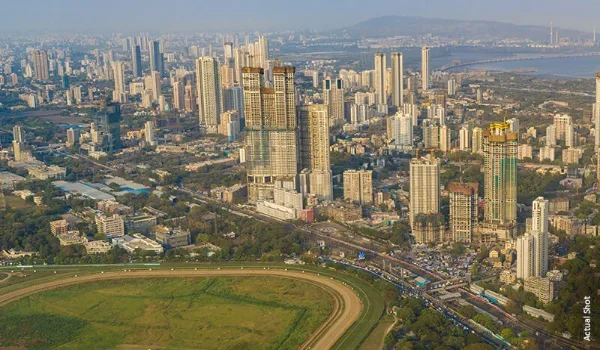
Mumbai is the financial capital of India, housing 21 million people and producing 6% of the national wealth. The city covers 603 square kilometers of land along the coast. It brings in over 30% of all direct taxes collected in India. It is home to the Reserve Bank of India and the Bombay Stock Exchange. Many people call it the city of dreams. People come here every day to find jobs and start fresh lives.

The city sits on the coast of the Arabian Sea. It has two main parts. The first part is the old island city in the south. The second part is the large suburban zone in the north. A new 22-kilometer sea bridge links the city to the mainland in 20 minutes. Wide coastal roads now cut car travel times in half.

Life moves very fast in every corner of town. Over 7 million people ride local trains each day to reach work. You can spot old stone buildings right next to tall glass towers. Many big firms have their main offices here. It is the top spot in India for trade, films, and business.
Mumbai Location, Simple Land Details, and City Map


Mumbai is located on Salsette Island on the west coast of India. Its coordinates are 19.0760° N and 72.8777° E. The Arabian Sea lies to the west, while Thane Creek is to the east. Much of the land is flat and sits about 14 metres above sea level.

A basic Mumbai map splits the land into South Mumbai, Central Mumbai, the Western Suburbs, and the Eastern Suburbs. South Mumbai holds old offices, court buildings, and the main state government house. The western side goes up to Dahisar, and the eastern side goes toward Mulund.

Mumbai is the capital city of Maharashtra, which is the largest state economy in the country. The official Mumbai city border meets the Thane district in the north and the Raigad district across the sea to the southeast. As the commercial capital of Mumbai, the city runs two big seaports that move over half of India’s shipping containers.

Origin of the Mumbai City Name and Local Culture


The Mumbai city name comes from Mumba Devi, who is the protector goddess of local Koli fisherfolk, combined with the word "Aai," meaning mother in Marathi. State leaders officially made this the city name in November 1995 to honor native roots and replace the old British name, Bombay.

Long ago, this place was just seven quiet islands where fishermen lived for over 2,000 years. Between 1784 and 1845, workers filled the sea gaps with rocks and soil to join the seven islands into one big piece of land. The port grew fast after the Suez Canal opened in 1869, making the city a top gateway for sea trade.

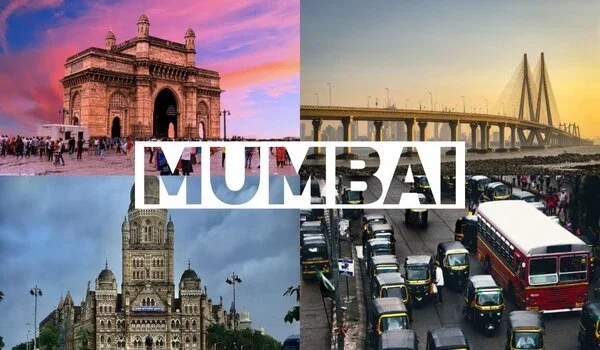
People from all parts of India live here side by side as proud Mumbai Indian residents. The city lights up during big festivals like Ganesh Chaturthi and Diwali, where huge crowds celebrate in the streets. Famous Mumbai photos often show the Gateway of India, the old CST train station, and the seaside path at Marine Drive.

Mumbai Climate, Weather Seasons, and Rainfall


Mumbai has an average yearly temperature of 27°C and receives over 2,200 millimeters of rainfall during the monsoon season between June and September. The Arabian Sea keeps the air warm and humid throughout most of the year.

The year breaks down into three distinct seasons for residents:

  • Winter (November to February): Dry, pleasant days with temperatures hovering between 18°C and 30°C.
  • Summer (March to May): Warm, sunny months where daytime highs regularly touch 34°C with high humidity.
  • Monsoon (June to September): Continuous seasonal rains that cool the city and fill the seven lakes providing Mumbai's drinking water.

The winter months bring the clearest skies and the most comfortable weather for walking outdoors. Coastal winds pick up in the evening, providing a natural cooling effect across open promenades.

Social Infrastructure: Schools, Healthcare, and Shopping Hubs


Mumbai has more than 1,000 good schools and over 12,000 hospital beds for its people. These places make daily life easy and safe for millions of families living across the city.

Families have direct access to premier educational institutions and universities:

  • Top Schools: Dhirubhai Ambani International School, The Cathedral and John Connon School, Bombay Scottish School, and Podar International School.
  • Higher Education: Indian Institute of Technology Bombay (IIT Bombay) in Powai, St. Xavier's College, and the University of Mumbai, founded in 1857.

The medical network delivers advanced emergency care across prominent hospitals:

  • Key Hospitals: Lilavati Hospital in Bandra, Kokilaben Dhirubhai Ambani Hospital in Andheri, Hinduja Hospital in Mahim, and Fortis Hospital in Mulund.

Retail destinations and shopping malls cater to weekend leisure and family entertainment:

  • Retail Centers: Phoenix Palladium in Lower Parel, Phoenix Marketcity in Kurla, and R City Mall in Ghatkopar, each housing hundreds of global brands.

What to Do in Mumbai for 3 Days: A Simple Travel Plan


A 3-day tour of Mumbai covers over 15 major historical sites and coastal spots across a 40-kilometer stretch between Colaba and Juhu. This travel plan groups visits by neighborhood to save time and avoid heavy traffic jams.

  • Day 1 (South Mumbai Heritage): Start your morning at the Gateway of India in Colaba and take an hour-long ferry to see the Elephanta Caves. Return to the city for lunch near Fort, view the grand Victorian stone towers at Chhatrapati Shivaji Maharaj Terminus (CSMT), and end the evening watching the sunset along the 3.6-kilometer curve of Marine Drive.
  • Day 2 (Markets, Culture, and Food): Walk through the fruit and spice stalls at Crawford Market in the morning. Next, visit the Prince of Wales Museum to see old art, watch the clothes washers at Dhobi Ghat, and eat lunch at an old cafe in Kala Ghoda.
  • Day 3 (Suburbs, Beaches, and Modern Hubs): Take a morning walk along the Bandra Bandstand promenade and explore the Portuguese-era stone houses in Ranwar Village. Head north to walk the sands of Juhu Beach for an afternoon snack of hot pav bhaji, and spend your final evening dining at the modern restaurants in the Bandra-Kurla Complex (BKC).

Daily City Travel, Train Lines, and Road Distances


Mumbai airport handles more than 50 million flyers each year across two main stops set a Mumbai distance of 5 kilometers apart. Big city roads like the Western Express Highway and Eastern Express Highway carry cars, cabs, and buses north and south all day.

Local trains are the main travel tool for millions of people across three clear lines:

  • Western Line: Runs from Churchgate up to Dahanu Road across 37 train stops.
  • Central Line: Starts at CSMT and runs out to Kalyan, then goes on to Kasara and Khopoli.
  • Harbour Line: Connects CSMT to Panvel to serve the growing areas of Navi Mumbai.

Clear highways also connect Mumbai to other nearby cities:

  • Pune: 150 km away on the wide Mumbai-Pune Expressway (takes about 2.5 hours).
  • Nashik: 165 km away on the main road through the green Kasara hills.
  • Surat: 280 km away, going straight north on National Highway 48.
  • Goa: 535 km away, going south down the scenic coastal road.

Modern Living and Housing in Mumbai: Inside The Prestige Place Mumbai


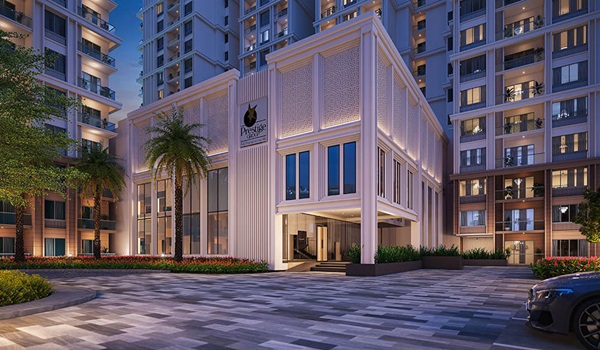
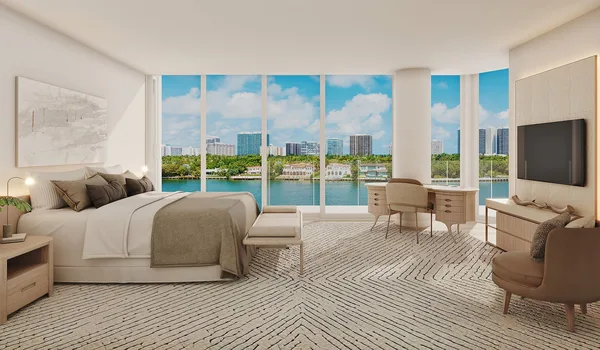
The Prestige Place Mumbai is a 15-acre luxury township project by the Prestige Group, featuring 2,900 residential apartments across 8 high-rise towers in Thane. The project sits along the prime Ghodbunder Road corridor, with buildings rising between 44 and 55 floors. The master plan keeps 30% of the land (~4.5 acres) as open green space, so families have ample room to walk, exercise, and relax.

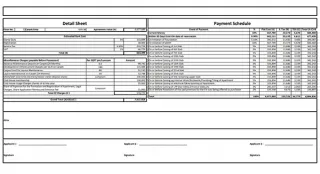
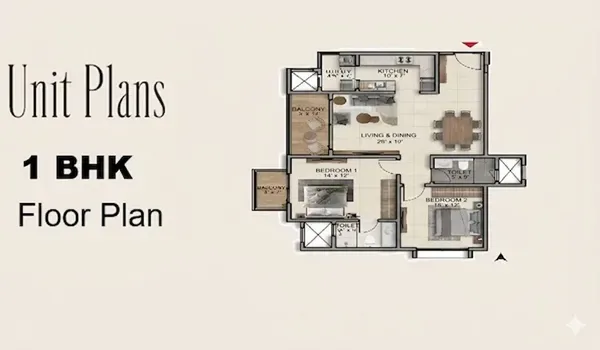
Buyers can pick from 1, 2, 3, and 4 BHK flat sizes that go from 600 to 2,400 square feet. Early prices start at ₹99 Lakhs for a 1 BHK, ₹1.49 Crores for a 2 BHK, ₹2.81 Crores for a 3 BHK, and up to ₹3.96 Crores for a big 4 BHK home. You can pay in 10 easy steps as the tower goes up, and you get your house keys in December 2031.

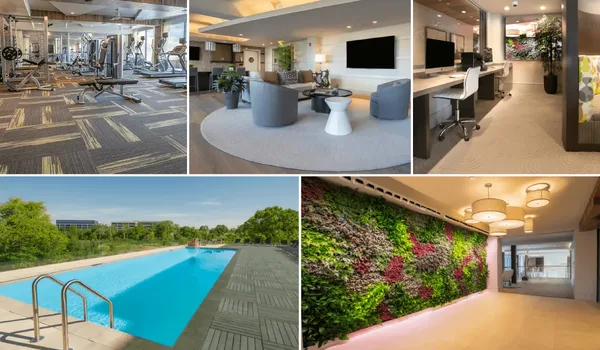
The project features a Royal Clubhouse with swimming pools, an indoor heated pool, a gym, play spaces, and a pet park. The monthly upkeep fee is set at ₹8 per square foot, with owners paying a two-year advance fee before they move in. The entry gate uses sensor tags, wide car lanes, and round-the-clock cameras to keep everyone safe.

The location gives buyers easy travel links across the larger city zone:

  • Road and Rail: It is about 6.5 km from the Thane train station and connects smoothly to city roads.
  • Work Hubs: Drivers can reach big work spots in Powai and BKC using the Eastern Express Highway and LBS Road.
  • Good Living: With around 193 homes per acre, it offers clean air, high rental demand, and solid home value growth for working buyers.

FAQs


1. What is the geographic location of Mumbai?

Mumbai sits at coordinates 19.0760° N and 72.8777° E on Salsette Island on the west coast of India. The open Arabian Sea borders the west, and Thane Creek runs along the east.

2. Why was the Mumbai city name changed from Bombay?

The name was changed in 1995 to honor the local goddess Mumbadevi and leave behind the old British name Bombay. It brought back the native Marathi name used by the local Koli community.

3. Is Mumbai cheap or expensive?

Mumbai is an expensive city to buy a home or rent a flat, but daily life can be very cheap. You can ride local trains for just ₹5 to ₹20 and buy tasty street snacks like vada pav for under ₹25.

4. What is Mumbai famous for?

Mumbai is famous as the home of the Bollywood movie world, the busy stock market, and the stone Gateway of India. People also know it for Marine Drive, tasty street food, and the prompt dabbawala lunch delivery teams.

5. What is Mumbai like for tourists?

Mumbai is a warm, lively seaside city with lots of energy, bright street markets, and old stone buildings. Visitors enjoy boat rides near Colaba, walks on Juhu Beach, and great food spots across Bandra.

Enquiry
Enquire Now